
Last updated: March 2026
The video production conversation your social media team is having and the one your event team needs to have are not the same conversation.
Short-form vertical content matters. AI editing tools are changing workflows. Authenticity is beating polish on social feeds. All of that is true. None of it tells you whether your leadership summit will look credible on camera, whether your hybrid audience gets a broadcast-quality experience, or whether the content captured at your annual conference does anything useful for the next eleven months.
Most “corporate video production trends” articles are written for social media managers. This one is written for event teams. Here’s what’s shifting in 2026 and what it means for the video decisions that happen before, during, and after your next major event.
Why 2026 Is a Turning Point for Corporate Video Production
Corporate video production in 2026 is being shaped by two pressures pulling in opposite directions. On one side: rising audience expectations for production quality, driven by years of broadcast-grade streaming and high-production-value content. On the other: AI tools and modular production workflows making it faster and cheaper to produce acceptable-quality video at scale.
For event teams, the result is a more demanding brief. According to Wyzowl’s 2026 Video Marketing Statistics, 91% of businesses now use video as a marketing tool and 93% of marketers describe it as a vital part of their strategy. Video is no longer a premium differentiator. It’s the baseline. What differentiates in 2026 is quality, intentionality, and integration with the live experience that produced it.
The trends below aren’t about what’s trending on TikTok. They’re about what’s changing in the production decisions that determine how your corporate events look, feel, and perform on camera, this year.
Hybrid Broadcast Quality Is Now the Expectation, Not the Exception
In 2020 and 2021, hybrid events were a workaround. The in-person audience got the real experience. The virtual audience got a wide-shot webcam feed and a hope that the audio would hold. Attendees tolerated it because there was no alternative.
PCMA’s 2025 outlook makes clear that hybrid and virtual are now permanent formats, not temporary workarounds, and that digital-native audiences expect virtual experiences with production values and interactivity on par with the in-room program. That expectation is setting the bar for 2026.
That tolerance is gone. Virtual attendees in 2026 have spent years watching broadcast-quality streaming, from professional sports to major tech keynotes. When your hybrid event looks like a Zoom call, it’s not just aesthetically underwhelming. It signals that the virtual audience is a second-class attendee.
Broadcast-quality hybrid production means multi-camera coverage with directed cuts, professional audio mixed separately for the room and the stream, graphics packages that render correctly on a 27-inch monitor and a 40-foot LED wall, and a dedicated technical director managing the live production feed as its own job, not as an extension of room production. Treating those two roles as one is the most common reason hybrid events underperform for virtual audiences.
The production investment required to do this well is real. So is the cost of getting it wrong. A major corporate event reaching 500 virtual attendees who disengage because the production quality signals their presence doesn’t matter. That’s a measurable brand and relationship cost that doesn’t show up in a post-event survey.
Expectations have stabilized at broadcast quality as the floor. Production planning for hybrid events in 2026 requires two parallel technical briefs, one for the room, one for the stream, from the earliest stages of event design.
Stage Video Content Built for LED, Not for Slides
Here’s a gap that shows up at nearly every major corporate event: the presentation content was designed for PowerPoint and the production team was given LED walls to fill. The result is slides stretched to 16:9, text-heavy layouts that were legible at laptop scale but read poorly at 20 feet, and video assets that are either the wrong aspect ratio or compressed to the point of visible artifacting on a high-resolution panel.
The 2026 shift is a recognition that content designed for LED walls is a different creative brief than content designed for slides. When the two are treated as the same thing, the production quality of the wall suffers, and with it, the perceived quality of the entire event.
Content designed for LED should be built to the wall’s native resolution and aspect ratio. Motion and animation should account for the viewing distance and ambient light conditions of the specific venue. Text density should be calibrated for the farthest seat in the room, not the nearest laptop screen. Video assets need to be delivered at the wall’s native resolution, not upscaled from 1080p to 4K at render time.
Getting this right requires production involvement at the content creation stage, not just the playback stage. The event manager who brings their production team into the content brief conversation, before the slide deck is built, ends up with a stage that reads the way it was designed to. The one who hands finished content to the production team at load-in finds out on setup day what doesn’t work.
For more on LED wall configuration for corporate events, see our LED video wall rental guide and our corporate event lighting and camera-safe specs guide.
Your Event Video as a Year-Round Content Asset
A three-day leadership summit produces one opportunity to be in the room. It also produces, when shot correctly, 12 months of usable content assets: keynote highlights, executive interviews, attendee testimonials, product demo footage, B-roll for internal communications, social cuts, recap videos, and training assets.
Most event teams capture maybe two or three of those. Not because the footage wasn’t there, but because nobody planned the shot list with the post-event use cases in mind.
The 2026 shift is intentional capture planning. Before the event, the conversation with your production team should include: what content do we need on the other side of this event and what do we need to capture to produce it? That’s a different brief than “cover the main sessions and get some B-roll.”
Wyzowl data shows that 82% of video marketers report good ROI. The events producing that ROI aren’t the ones that captured everything and hoped something was usable. They’re the ones that built the asset plan before the shoot and executed against it.
There’s no widely published benchmark for what percentage of raw event footage typically gets used, but production teams that work with intentional capture strategies consistently report that a single well-planned event shoot produces far more deployable assets than an unplanned one. The difference isn’t budget. It’s pre-production.
Practically, this means dedicated interview setups with controlled lighting, not “grab a few quotes in the hallway between sessions.” It means B-roll shot lists that account for specific post-event deliverables. It means knowing before load-in which keynote moments are going into the recap video, so camera positions are set to capture them cleanly, not just cover them.
For a deeper look at how corporate event video production works as a content strategy, see our guide on corporate event video production, 7 reasons why it’s essential.
AI in Corporate Video Production, What It Actually Changes
AI is reshaping video production workflows in ways that are real and significant, and in ways that are being overstated in most trend roundups.
What AI changes for corporate event video in 2026: editing speed, transcript-based rough cut assembly, automated captioning, color grading presets, and variant creation for multi-platform distribution. These are real efficiency gains. Research on AI-assisted video workflows shows roughly 25 to 40% reductions in production time and cost per deliverable, and automated repurposing tools can increase content output significantly without adding staff. A post-event recap that took three days of editorial time in 2023 can be rough-cut in a fraction of that time today, freeing the editorial team for decisions that require judgment: pacing, tone, story arc, music selection. (Published benchmarks on AI time savings are drawn from marketing video workflows broadly; event-specific data isn’t yet broken out separately, but the efficiency gains translate directly to post-event content production.)
What AI doesn’t change: the quality of the footage going in. AI can speed up the editing of a well-shot event. It cannot rescue footage shot from a single locked-off camera with no coverage options, or audio mixed for the room rather than the recording. The production quality ceiling is still set on the day of the event, not in post.
The practical implication for event teams: AI-assisted post-production is a reason to invest more confidently in on-site production quality, not less. When the editorial process is faster and less expensive than it used to be, the ROI calculation on a second camera or a dedicated audio mix for recording shifts in your favor.
One Shoot, Multiple Deliverables: The New Production Standard
The shift happening across corporate event video production in 2026 is from single-output thinking to modular capture. The question is no longer “can we get a recap video from this event?” It’s “what’s the full asset library we’re building, and how do we shoot for all of it at once?”
A well-planned single-day corporate event shoot can produce: a 3 to 5 minute highlight reel, 60-second social cuts for LinkedIn and Instagram, 15-second clip packages for paid distribution, executive interview segments, product or service demo footage, internal communications B-roll, and written testimonial support assets from on-camera interview transcripts.
None of this requires a second event or a second budget. It requires a production plan built around the full asset library from the start, shot lists, interview scripts, B-roll coverage, and a post-production workflow mapped to the deliverables before anyone arrives on site.
Production teams that build this capability into their standard event workflow give clients a fundamentally different value proposition than teams planning one video at a time. It’s also why the conversation about video production strategy should happen during event planning, not after the event is over and the question becomes “what do we do with this footage?”
For a broader look at video production services and what to look for in a partner, see our video production services guide and our corporate video production as a branding tool resource.
Frequently Asked Questions
What are the biggest corporate video production trends for 2026?
The most significant shifts for event-focused corporate video in 2026 are: broadcast-quality hybrid production becoming a baseline expectation, stage video content designed specifically for LED walls rather than repurposed slides, intentional multi-asset capture strategies that turn a single event shoot into year-round content, AI-assisted post-production workflows that speed up delivery without replacing on-site quality decisions, and modular production planning built around a full deliverable library from the start.
How is AI changing corporate event video production in 2026?
AI is accelerating post-production workflows, rough cut assembly, captioning, color grading presets, and variant creation for multiple platforms. For event teams, this means faster turnaround on post-event content deliverables. It doesn’t change the fundamental quality ceiling, which is still determined by the production decisions made on-site: camera coverage, audio mix, lighting, and shot planning.
What does broadcast-quality hybrid production actually require?
Broadcast-quality hybrid production requires multi-camera coverage with a directed cut, professional audio mixed independently for the room and for the recording, graphics packages designed for both the in-room experience and the virtual viewer, and a dedicated technical director managing the stream as a separate production from the live event. Treating in-room and virtual production as the same job is the most common reason hybrid events underperform for virtual attendees.
How should event teams think about video ROI in 2026?
Video ROI in 2026 is driven by asset utilization, how much of the content captured at an event gets used, across how many channels, for how many months afterward. Events that plan their post-production asset library before the shoot and execute intentional capture strategies consistently generate more usable content per production dollar than events that capture broadly and decide afterward what to do with the footage.
When should you involve a video production team in event planning?
Before the content is built. For events with significant LED or stage video components, production needs to be in the conversation when the content brief is being written, not when the slides are finished. For events where post-event video assets are a priority, the shot list and asset plan should be developed alongside the event agenda, not after load-in.
Build Your 2026 Event Video Strategy Before the Shoot
The corporate video production decisions that determine your 2026 results are mostly made before the camera rolls: the hybrid production brief, the LED content specifications, the asset capture plan, the post-production workflow. Getting those decisions right is what separates events that produce content that works from events that produce footage that sits on a hard drive.
If you’re planning a major corporate event in 2026 and want to talk through the video production strategy, our team can walk you through it, from content brief to post-event deliverables.
Explore related reading: 9 common live event video production challenges, video production costs, 6 key factors, hybrid event production technical requirements, and our live event production guide.
Contact Elite Multimedia to start your 2026 event video production conversation.
About the Author
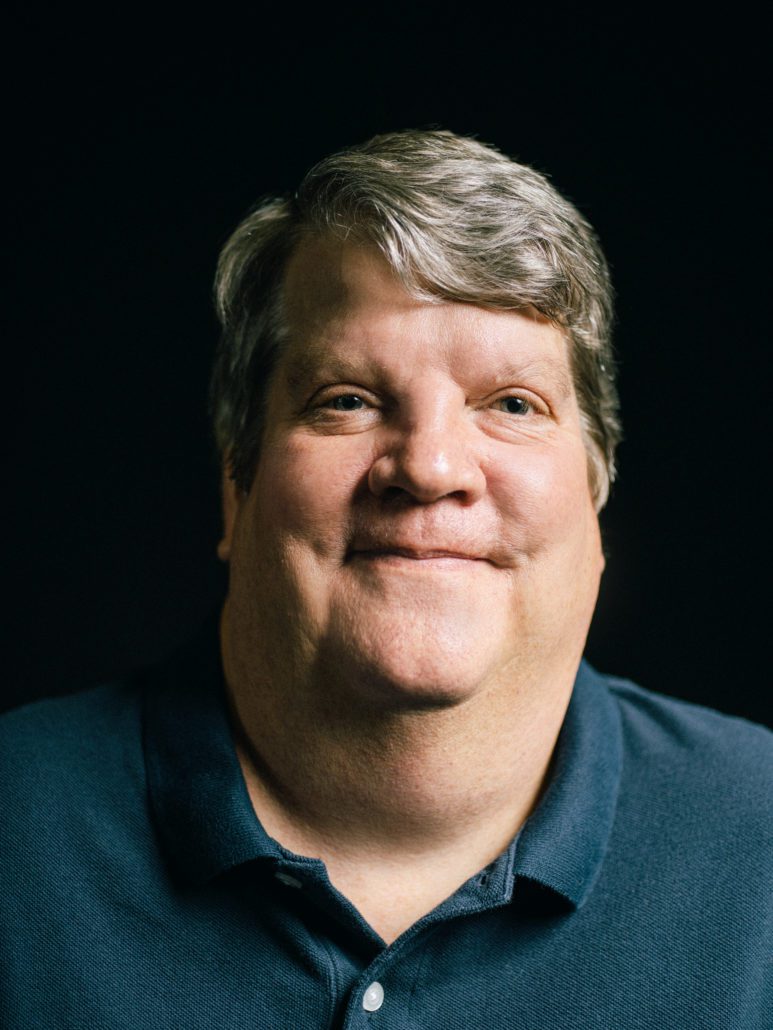
Tom Wilson, VP of Event Production, Elite Multimedia
Tom Wilson is the Vice President of Event Production at Elite Multimedia and a day one employee of the company. He has spent more than 35 years in live music, primarily as an audio engineer and as a production and road manager, with extensive country work that includes Luke Bryan and Gary Allan.
Elite Multimedia is a Nashville-based full-service event production company specializing in corporate events, live event video production, and experiential builds. With experience producing video across hundreds of corporate events, from Fortune 500 leadership summits to national product launches. Our team brings both the production expertise and the strategic perspective to make event video work beyond show day.