
Last updated: March 2026
The highlight reel from your leadership summit is ready. The footage is sharp, except every shot of the stage has a blown-out LED wall behind the speaker, and the lighting makes your CEO look like she’s being interrogated under a fluorescent bulb. Great event. Unusable video.
It happens more than you’d think. And it’s almost always the result of one conversation that happened too late, or never happened at all.
Corporate event video production isn’t something you bolt onto an event after the production decisions are made. It’s a technical layer that has to be designed in from the start. This guide covers what that actually looks like, what types of event video you should be capturing, and how to make sure the footage from your next event is something you’ll actually use.
What Is Corporate Event Video Production?
Corporate event video production is the planning, capture, and delivery of professional video content from a live business event, including keynote recordings, live streams, highlight reels, hybrid broadcast feeds, and social content cuts. It covers everything from pre-event technical planning to on-site multi-camera operation to post-event editing and delivery.
What separates it from hiring a videographer is scope and integration. A videographer shows up and shoots. Corporate event video production means designing the entire technical environment, stage lighting, LED wall specs, audio feeds, camera positions, so that what looks great in the room also captures well on camera. Those are two different problems, and solving both requires a production team that thinks in both dimensions at once.
Why Video and Live Production Must Be Planned Together
Here’s the issue we see most often: video is treated as a separate line item, brought in after the stage design, lighting plan, and AV setup are already locked. Then the video crew shows up and discovers the backlit LED wall creates a silhouette out of every speaker, the house lighting isn’t camera-safe, and there’s no clean audio feed routed to their equipment.
None of that is hard to solve. All of it has to be solved before load-in.
When corporate event video production is integrated into the production plan from the start, a few specific things happen differently:
Lighting gets designed for camera, not just the room. What looks warm and dramatic from the audience can create harsh shadows or blown highlights on camera. Camera-safe lighting means balancing the in-room experience with color temperature, intensity, and key light placement that flatters on screen. Our corporate event lighting design process builds this in by default for events we know will be captured.
LED wall specifications account for broadcast. An LED wall that looks spectacular in a ballroom can create a strobing or moiré effect on camera if the pixel pitch and refresh rate aren’t specified for capture. For events where video matters, we spec the wall for both the live audience and the camera simultaneously.
Audio is routed for recording. Clean audio for video requires a dedicated feed from the board, not a microphone pointed at the speakers. That routing has to be planned before the audio system is designed, not requested day-of.
Camera positions are factored into the room layout. Risers, aisle clearance, sightlines, if cameras aren’t considered in the floor plan, they end up in the way of the audience or in positions that compromise the footage. Full-service live event production accounts for this in the initial venue walkthrough.
The production decisions that determine video quality aren’t video decisions. They’re production decisions. That’s why integration matters.
Types of Corporate Event Video (and When You Need Each)
Not every event needs every type of video. Knowing what you’re capturing, and why, shapes how the production is designed.
Keynote and General Session Capture
The foundational deliverable for most corporate events. Multi-camera recording of main stage presentations, typically edited into clean single-speaker cuts for internal distribution or post-event content. Requires dedicated camera operators, a clean audio feed, and lighting designed for close-up capture.
Live Stream and Hybrid Broadcast
If any portion of your audience is remote, you’re running a hybrid event, and that’s a distinct production discipline. The remote audience needs broadcast-quality video, clean audio, and a dedicated stream infrastructure that doesn’t share bandwidth with the venue’s general network. Hybrid event technical requirements deserve their own planning track, not an afterthought tacked onto the day-of setup.
Event Highlight Reels
The post-event content that travels furthest, internal communications, social, executive presentations. Highlight reels require b-roll capture throughout the event, not just main stage footage. That means a dedicated roaming camera operator who knows what they’re looking for: reaction shots, breakout moments, audience energy.
Executive and Speaker Profiles
Standalone interview-style segments captured at the event, typically used for internal communications, annual reports, or recruiting content. These require a dedicated setup area, controlled lighting, clean backdrop, isolated audio, separate from the main event floor.
Social Content Cuts
Short-form vertical video for LinkedIn, Instagram, and internal channels. Increasingly, event managers are planning these intentionally rather than hoping something usable surfaces from the main footage. A 60-second cut of a powerful keynote moment, delivered within 24 hours, is one of the highest-ROI content outputs from any corporate event.
What Makes Corporate Event Video Actually Usable
Professional footage from a corporate event comes down to four technical factors. Get these right and the editing is easy. Get them wrong and no amount of post-production fixes it.
VISUAL PLACEHOLDER: Comparison table, Standalone Video Crew vs. Integrated Production Approach
| Factor | Standalone Video Crew | Integrated Production |
|---|---|---|
| Lighting design | Works with whatever’s in the room | Camera-safe lighting built into production plan |
| LED wall specs | No input on pixel pitch or refresh rate | Spec’d for both live and broadcast |
| Audio feed | Requests clean feed day-of | Routed in the audio design from the start |
| Camera positions | Placed after floor plan is locked | Factored into room layout from initial planning |
| Coordination | Separate vendor, day-of handoff | Single production team, single plan |
| Result | Workable footage if you’re lucky | Consistent, professional output |
Camera-safe lighting. Key lights at the right angle and color temperature (typically 3,200K to 5,600K depending on the environment) ensure speakers look natural on camera without harsh shadows or blown-out highlights. This is specified in the lighting design, not adjusted after setup.
LED wall resolution and refresh rate. For events where speakers are positioned in front of an LED wall, pixel pitch matters. A 2.6mm pitch at the right refresh rate eliminates the moiré and banding that lower-spec displays create on camera. It’s a spec decision made weeks before the event, not something fixable on-site.
Clean isolated audio. Video without usable audio is essentially unusable. A dedicated line-level feed from the main mix board, isolated from room ambience and PA bleed, is the baseline. For multi-speaker events, individual IFB feeds per camera ensure clean cuts in post.
Multi-camera coverage with a dedicated switcher. Single-camera event video dates the footage and limits editing options. Two to four cameras with a dedicated live switcher, wide shot, medium, tight, roaming b-roll, gives editors the coverage they need to create polished deliverables. This requires a camera operator per position, a technical director running the switch, and pre-planned shot lists per segment.
What to Look for in a Corporate Event Video Production Partner
The right partner for corporate event video production isn’t just a video company. It’s a production team that understands live events.
They ask about the production before they quote the video. A production partner who starts by asking about your stage setup, lighting plan, and AV configuration understands that video quality is determined before cameras arrive. One who starts by asking how many cameras you need is thinking about the gear, not the outcome.
They’ve produced events like yours. Ask specifically: “What’s the largest corporate event you’ve captured, and what did the production setup look like?” If they can describe the lighting rig, the LED wall specs, and how they handled audio routing, they’ve done it. If they describe it in terms of equipment only, they haven’t.
They integrate with your production team, or they are your production team. Coordination between video and production on the day of an event is constant: cue calls, speaker transitions, lighting changes, stream health. The fewer handoffs between teams, the fewer things that fall through the gaps. A single production partner handling both live production and video capture eliminates that friction entirely.
They deliver on your timeline. Social cuts within 24 hours. Full keynote edits within a week. Highlight reel within two weeks. If a partner can’t commit to delivery timelines, that’s worth knowing before you sign.
How Elite Integrates Video Into Full-Service Event Production
Elite Multimedia produces corporate events end-to-end, LED walls, lighting, audio, staging, and on-site production management. Video capture isn’t a separate service we coordinate around; it’s built into how we design and produce events from the start.
When video is part of the plan, we spec the lighting for camera, configure the LED wall for broadcast, route audio for clean capture, and position cameras in the floor plan, before load-in, not after. The result is footage that reflects the quality of the event, not footage that almost got there.
If your next event needs to look as good on camera as it does in the room, that conversation starts with the production plan. Talk to our team about what your event needs →
You can also explore our corporate event production services and LED video wall rental options to get a sense of what a fully integrated production looks like.
Frequently Asked Questions
What is corporate event video production?
Corporate event video production is the end-to-end process of capturing, producing, and delivering professional video content from a business event. It includes technical planning, multi-camera operation, live streaming, and post-event editing. When done well, it’s integrated into the live production plan, not treated as a separate service hired independently.
How much does corporate event video production cost?
Costs vary based on event size, number of cameras, deliverables, and whether video is integrated with live production or contracted separately. A basic single-camera keynote capture might start around $2,000 to $5,000. Full multi-camera production with live switching, streaming, and edited deliverables for a large corporate event typically ranges from $10,000 to $40,000+. Getting an accurate number requires sharing your event brief with a production partner.
What’s the difference between a videographer and a corporate event video production team?
A videographer typically operates one camera and captures footage. A corporate event video production team includes multiple camera operators, a technical director, a live switcher, audio engineers, and often a director coordinating the coverage, all integrated with the live production. The result is broadcast-quality content rather than raw footage.
How do you make sure the LED wall doesn’t look bad on camera?
LED wall performance on camera depends primarily on pixel pitch and refresh rate. For events where video capture matters, we recommend a minimum 2.6mm pixel pitch and a refresh rate of 3,840Hz or higher, specs that eliminate the moiré and banding that lower-spec displays create on camera. This is a specification decision made during pre-production, not something adjustable on event day.
The events that generate the most valuable video content aren’t the ones where someone remembered to hire a camera crew. They’re the ones where video was part of the production conversation from the beginning, shaping the lighting design, the stage setup, and the technical infrastructure.
For where corporate video is heading next, see our guide to corporate video production trends.
That’s the difference between footage you’ll actually use and footage that sits on a hard drive. If your next event matters enough to produce well, it matters enough to capture well. Let’s make sure both happen →
About the Author
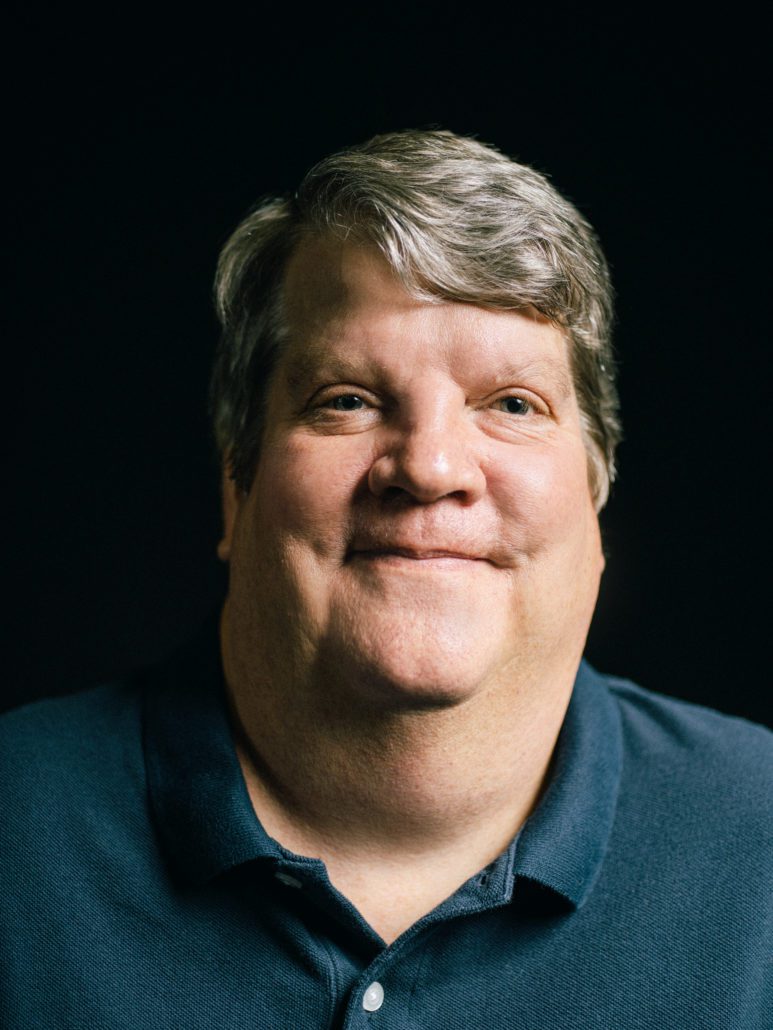
Tom Wilson, VP of Event Production, Elite Multimedia
Tom Wilson is the Vice President of Event Production at Elite Multimedia and a day one employee of the company. He has spent more than 35 years in live music, primarily as an audio engineer and as a production and road manager, with extensive country work that includes Luke Bryan and Gary Allan.