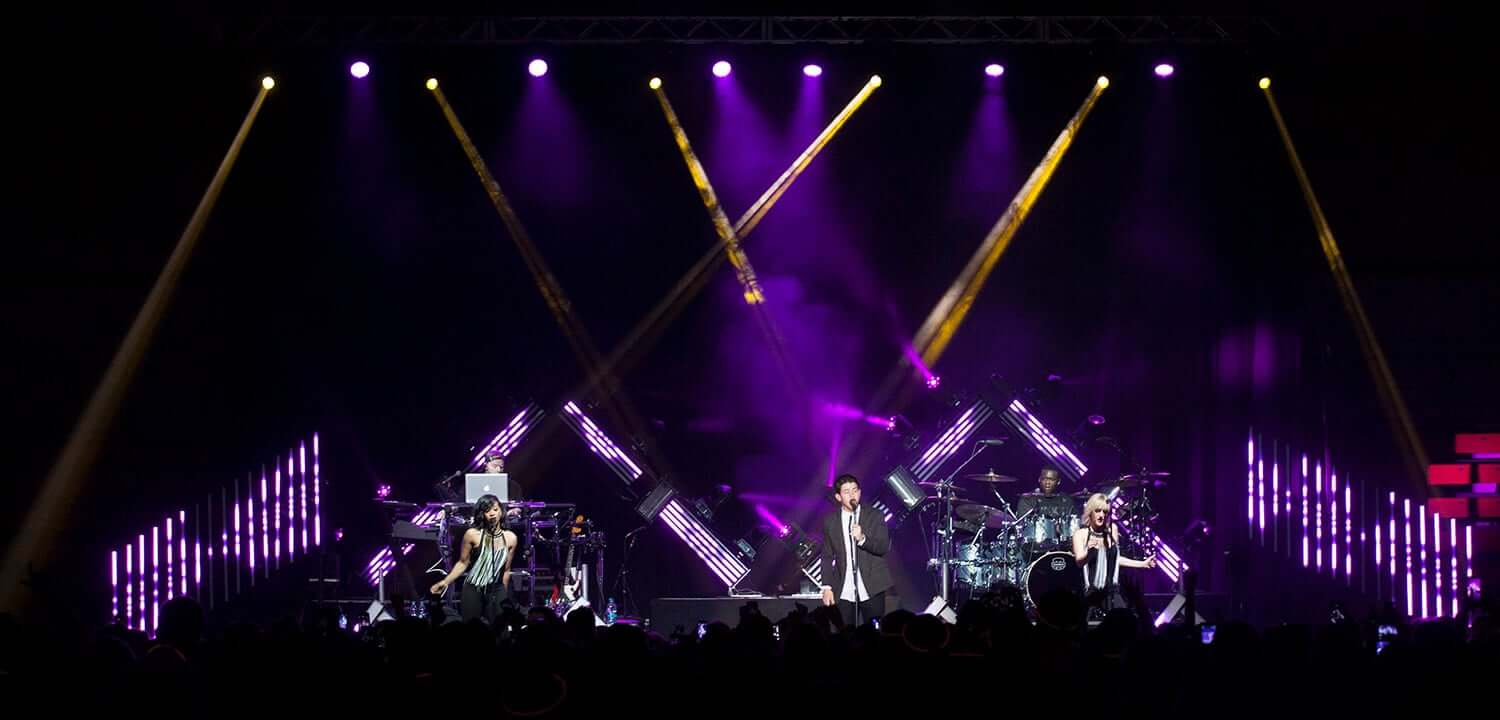
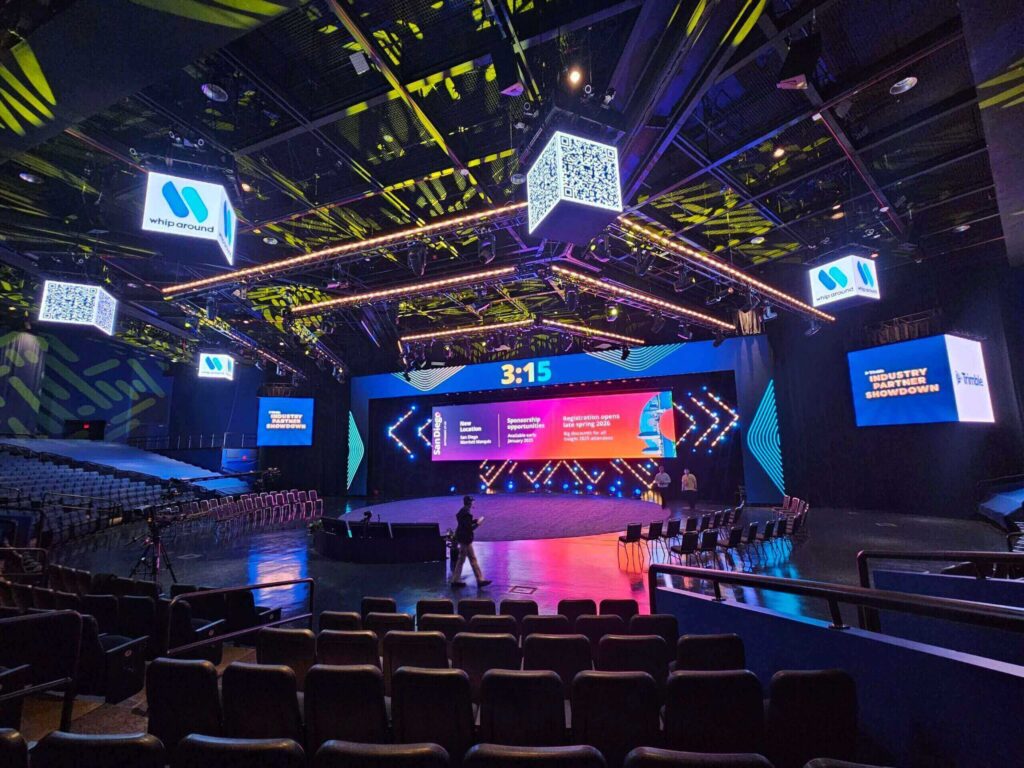
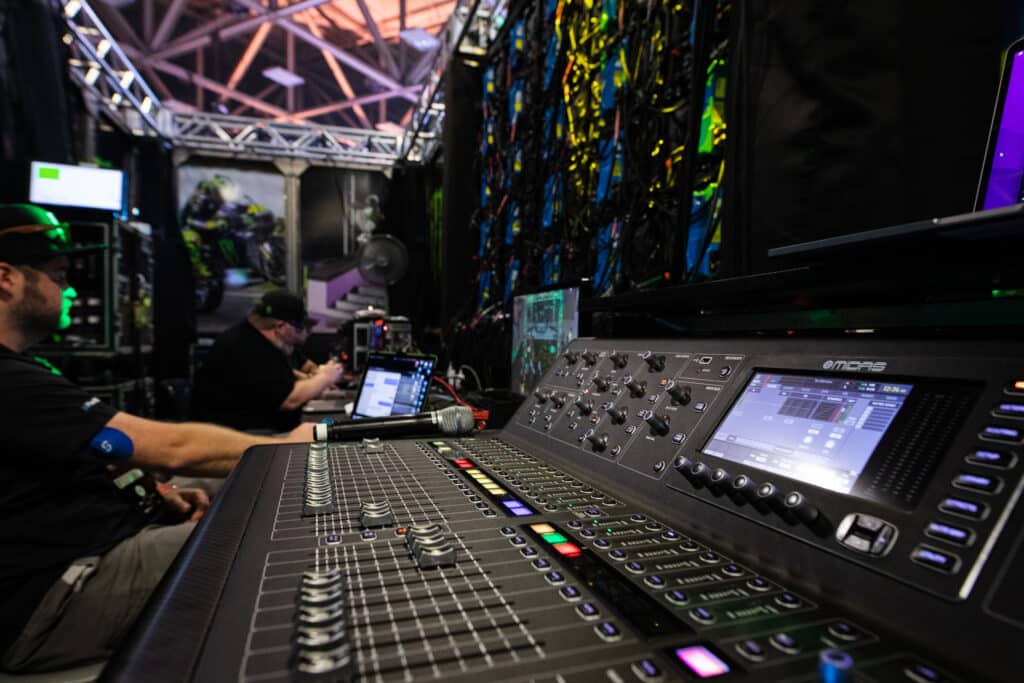
Corporate event video production is the camera, projection, switching, and playback systems that put your content and your presenters on screen, plus the engineers and operators who run them live. IMAG camera packages, projection, media servers, and the signal path that ties them to your LED wall.
What it is not is video production in the filmmaking sense. We are not a video production house and do not sell shoots, edits, or branded content. If you need a film made, we will point you somewhere good. What we do is make sure the room sees what it is supposed to see, live, without a hiccup.
What we provide
IMAG camera systems
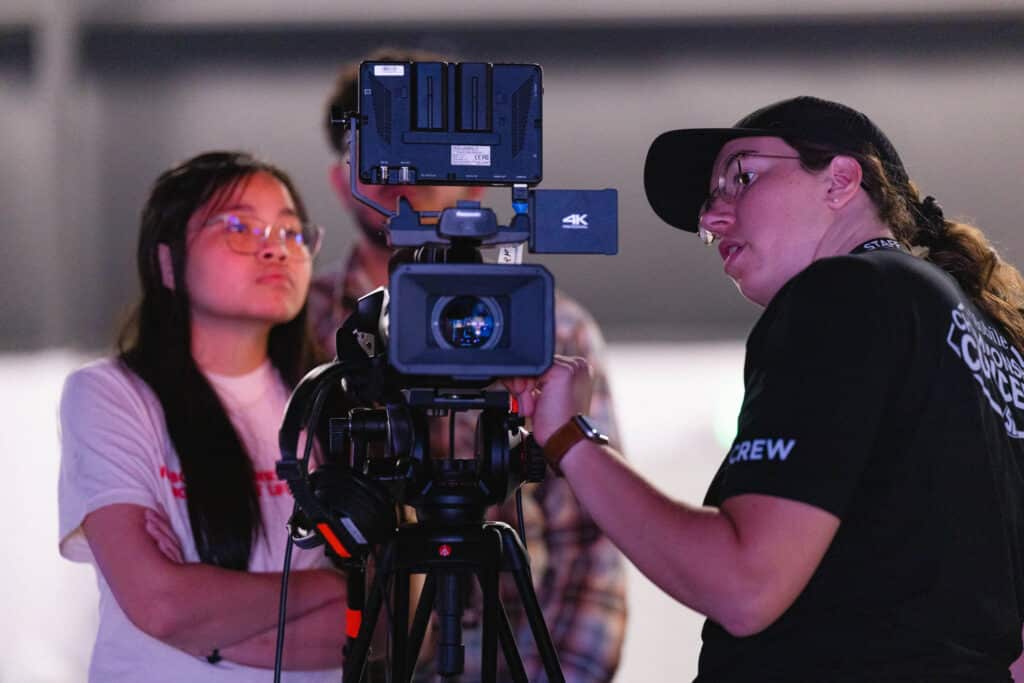
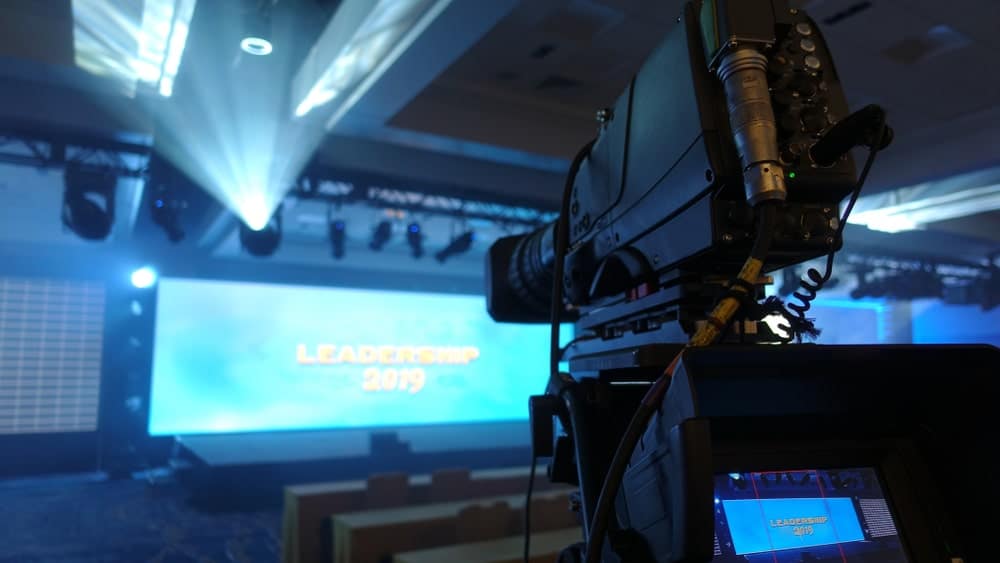
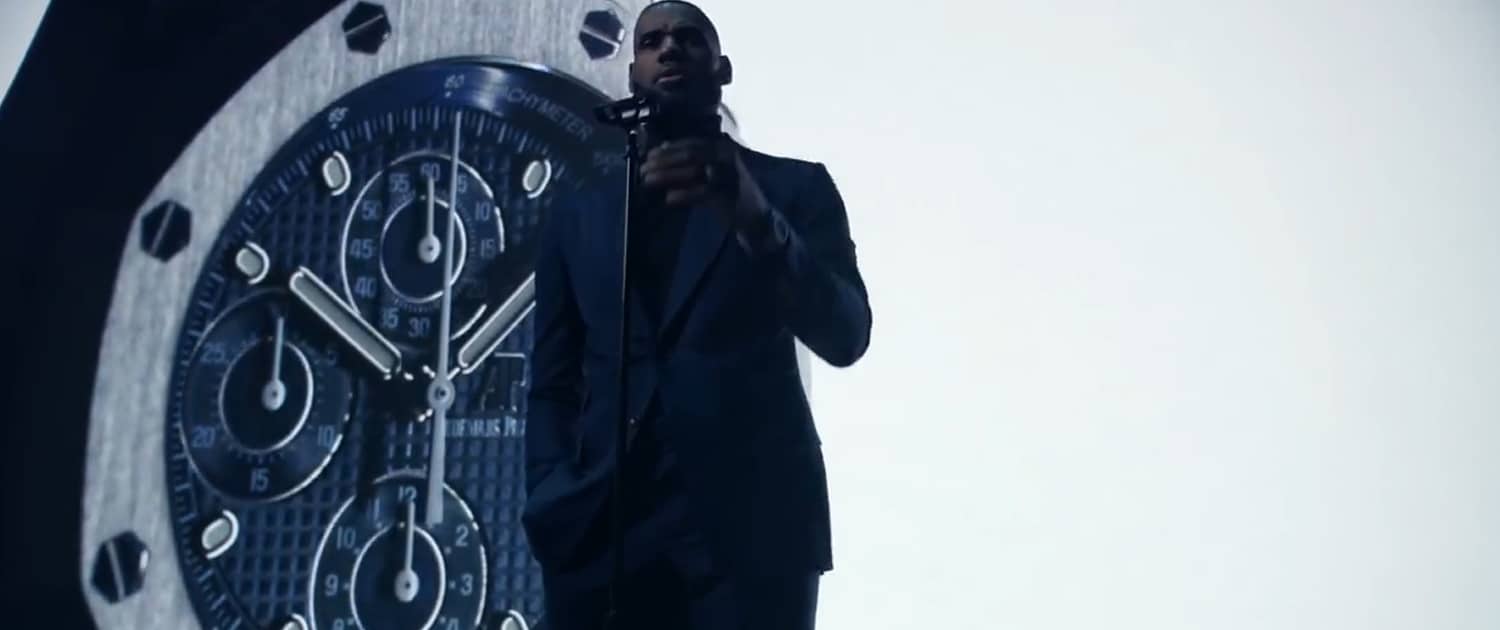
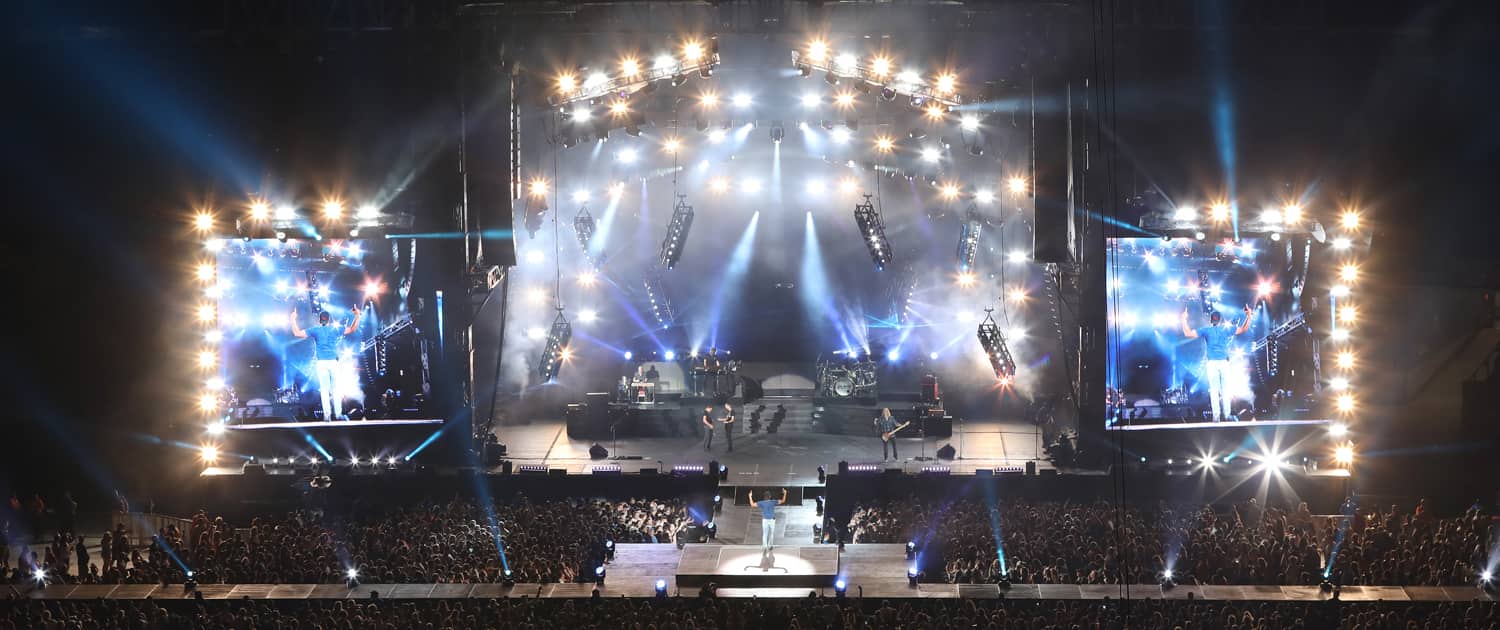
Multi-camera image magnification packages that keep your presenter legible to the back row and to the stream. Camera operators and a video engineer who has cut a keynote before, not a tripod in a corner.
Broadcast and presentation cameras
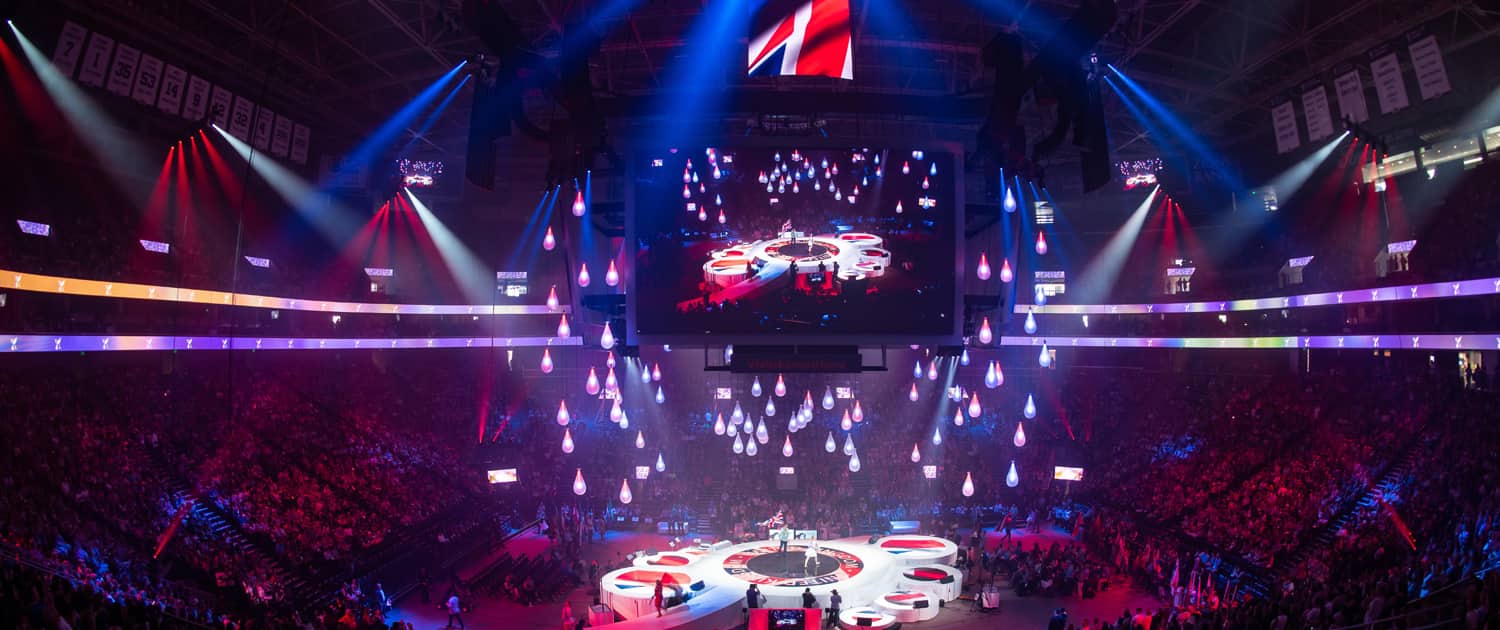
Robotic and manned camera packages for keynotes, panels, and general sessions, scaling from a single ballroom to a multi-thousand-seat arena.
Projection and projection mapping
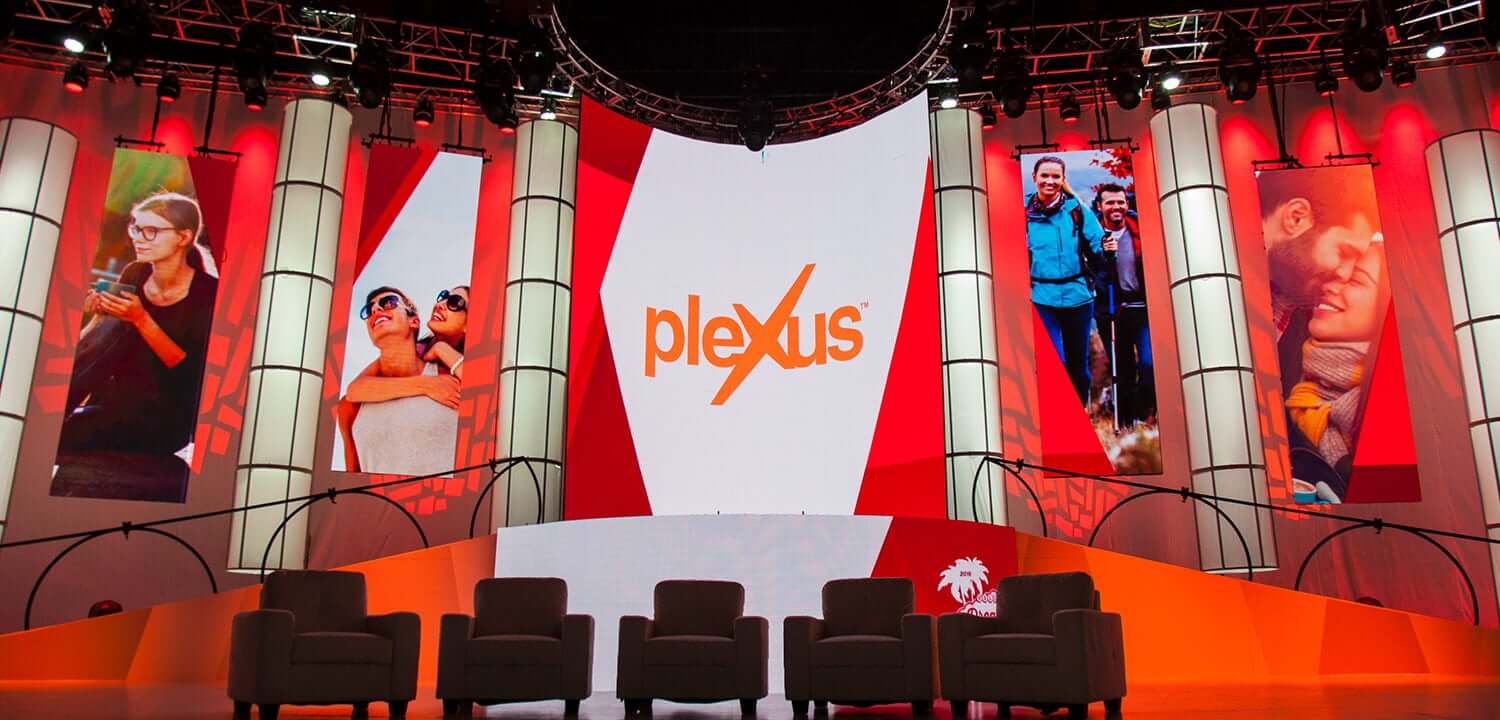
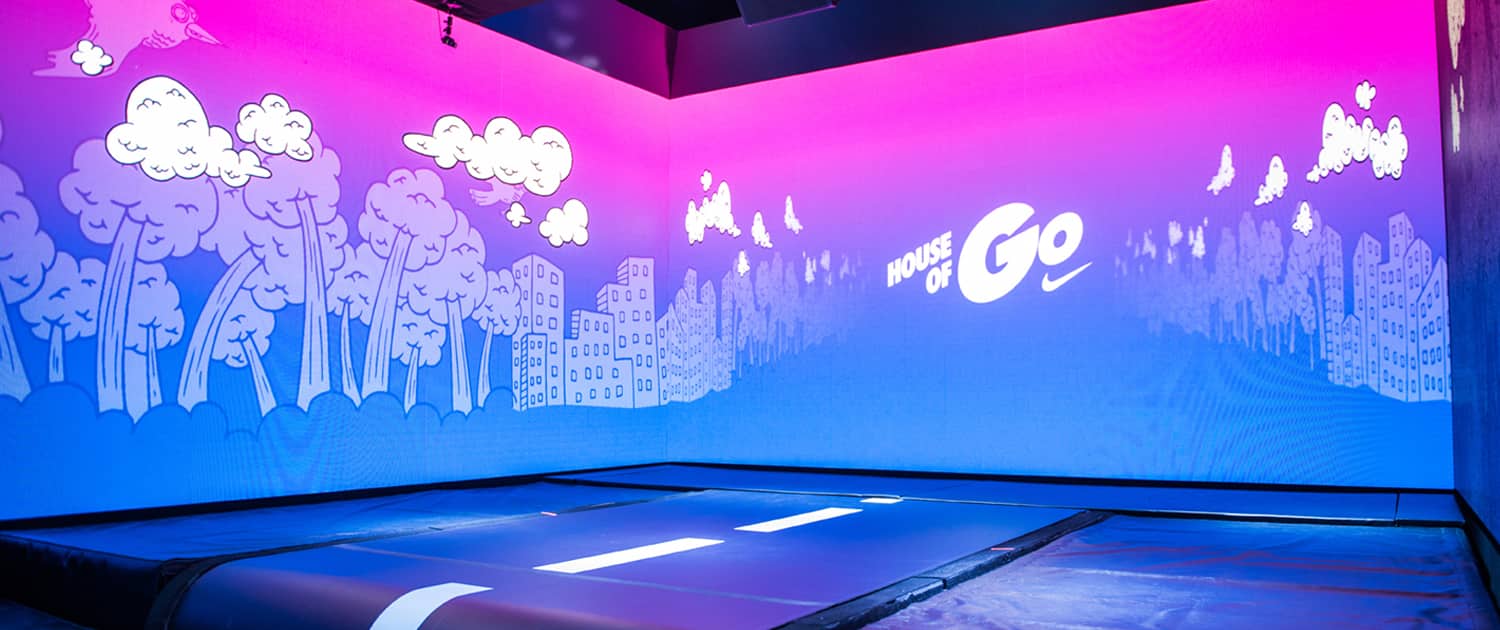
High-lumen projectors for slides, content, and stage graphics that hold up without a blacked-out room, plus projection mapping for events where the surface is the scenic rather than a screen.
Switching, playback, and content management
Switching, scaling, and event content playback run by technicians whose entire job during your show is making sure the next slide appears. Redundant playback so a single failure is not a blank screen in front of your CEO.
IMAG, projection, or playback: what your room actually needs
These three get bundled together in conversation and priced very differently. Sorting out which you need is usually a question about room size and whether anyone is speaking from a stage.
What you have
What you need
What you probably do not need
A speaker on a stage, more than roughly 150 people
IMAG cameras, so the back half can see a face
Multi-camera broadcast, unless you are recording or streaming
Slides and video content, no live presenter focus
Playback and switching into the screen
Cameras at all
A stage surface or scenic you want to bring to life
Projection or projection mapping
An LED wall, which solves a different problem
A remote audience as well as the room
IMAG plus a broadcast-grade switch and stream path
A separate video crew. It should be one system.
The mistake that costs the most is ordering cameras for a room that does not need them, or skipping them in a room that does. Past roughly 150 attendees, faces stop reading from the back, and no amount of lighting fixes it.
Camera positions, signal path, and screen mapping planned against your room and your run of show.
Delivery and install.
Built, cabled, and tested before rehearsal, not during it.
Operators and engineers.
Camera ops, a video engineer, and a switcher operator through show hours.
Redundant playback.
Backup sources on the content path, so one failure does not go to black.
Rehearsal support.
We run cue-to-cue with your presenters so the first time content plays is not in front of the audience.
Strike and load-out.
Out on the venue's schedule.
Video is the discipline where a gear-only rental shows up fastest. Cameras without an engineer produce a shot nobody has framed. Playback without an operator produces the wrong slide at the wrong moment, in front of the people your client cares most about impressing. The gear is the least expensive part of this.
One system, one team, one signal path
Video usually goes wrong at a handoff. The camera vendor does not talk to the LED vendor, the playback is somebody else’s laptop, and nobody owns the signal path from end to end. Then something drops out mid keynote and three companies explain why it was not them.
We run video as part of the same production as the lighting, the LED, and the audio, with one team and one signal path. There is nobody to hand the problem to, which is rather the point.
Event video in practice
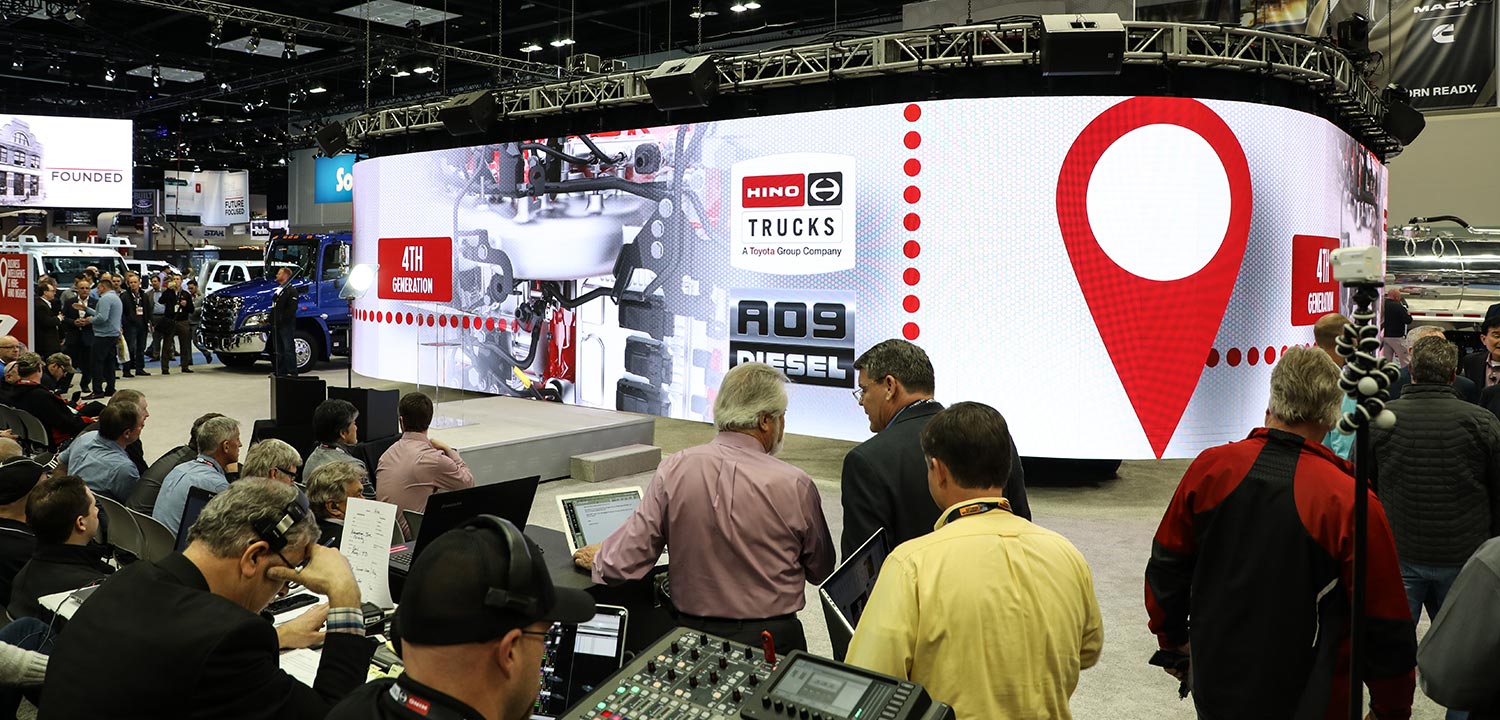
HINO Trucks, XL8 reveal
CHALLENGE
The reveal depended on content running flawlessly across a 288-panel LED enclosure for two full days of show hours, then cutting cleanly at the moment the structure lifted.
SOLUTION
Content playback and media server systems feeding the full enclosure, with the video cue tied to the automation cue so the screen and the lift moved as one moment rather than two.
RESULT
Content ran across two days at the 2018 Work Truck Show, and the reveal landed on a single cue in front of more than 2,000 spectators.
Send the venue, the audience size, and what happens on stage. We will tell you whether you need cameras, how many, and what the signal path should look like, in a quote with the crew already in it.