
Last updated: May 2026
“The room is the message.” That’s a quote from a development director who runs annual galas for a major performing arts organization, talking about why she fights for production budget every year at the board meeting. The board’s instinct is to maximize the ratio of dollars raised to dollars spent, which they read as minimizing production cost. Her counter-argument, which her gala results back up year over year, is that production quality drives donor emotional engagement, which drives auction outcomes and paddle raise totals, which drives the year-over-year fundraising growth the board is actually measuring.
The math she’s making works in 2026 the same way it worked in 2018. Donor expectations have moved up. Donor attention has gotten harder to hold. The galas that produce sustained fundraising growth are the ones that match donor expectations on production quality. The galas that don’t are the ones losing donors to better-produced events run by other organizations.
What changed in the donor experience
Three things have shifted in the high-end gala landscape between 2020 and 2026 that affect production decisions.
Donors attend more high-production events outside the gala circuit. Corporate executive dinners, branded experience events, customer summits. The production standard donors experience in their professional and personal lives has moved up. A gala that feels like a 2018 hotel ballroom event in 2026 reads as under-considered to donors who attended a Fortune 500 product launch the week before.
Donor attention has gotten harder to hold. PCMA’s Business Events Outlook tracked the trend across all business event formats: 67% of event professionals rank stage design as a top-three factor in attendee perception of event quality. The same dynamic shows up in gala formats. Production quality directly affects whether donors stay engaged through the program or check their phones during the ask.
The post-event content cycle has become a fundraising tool. Galas that produce broadcast-quality video, photography, and recap content give development teams material to use in stewardship communications for the next twelve months. Galas that produce only marginal recap content lose the asynchronous fundraising value that production work would have created.
The four moments that determine fundraising
Every gala lives or dies on four specific production moments. The weighting matters because most galas overinvest in moment four and underinvest in moments one through three.
Cocktail hour and entry. The audience’s first impression of the evening. Production scope includes ambient lighting, branded environment, soft background music, and the photographic moments donors will share on social media that night. Underproduced cocktail hours leave the room unsettled going into dinner. Overproduced cocktail hours peak energy too early.
The mission and program segment. A 20-45 minute program where the cause is presented, honorees are recognized, and the room is brought emotionally into the mission. Production scope includes broadcast-quality video content (the mission reel that almost always anchors this segment), speaker support, lighting that supports the emotional arc, and audio that lets every word land. The mission reel is usually the single most important piece of pre-produced content in the entire evening.
The ask. The single most important production moment of the night. Three to seven minutes where the development director or the honored guest makes the case for giving. Production scope is minimal but exact. Clean audio with no risk of feedback or dropout. Lighting that holds the speaker without distraction. Content support that reinforces the ask without competing with it. This is the moment where production failure costs measurable money.
The auction and the close. Live auction, paddle raise, entertainment, and the gradual close of the evening. Production scope includes auction-specific audio (the auctioneer’s microphone has to be flawless), bid tracking integration, lighting that supports auction energy, and entertainment production that doesn’t compete with the donor conversations happening during this segment.
A gala that nails the program but underproduces the ask raises less money than expected. A gala that nails the ask but underproduces the program raises money from donors who were already committed and converts no new ones. All four matter.
The two production decisions that affect fundraising most
Two specific production decisions correlate strongest with fundraising outcomes across multiple events.
The first is audio. Gala audio has unique requirements that most corporate AV setups don’t address well. The room is full of people eating and drinking, which generates significant ambient sound. Speakers vary widely in volume and microphone skill (honored guests are usually not professional speakers, and they may be emotional, which affects vocal projection). The auctioneer needs broadcast-clear amplification that holds up across rapid bidding. The musical entertainment needs separate audio routing.
The audio engineer at a gala is the most important production hire after the show-caller. A real production partner uses a digital mixing console with multiple gain stages, dedicated wireless microphones with redundant battery management, and treats audio as the dominant production discipline for the evening. Galas where audio is treated as a secondary concern are galas where the program feels muddled and the ask gets lost.
The second is the mission reel. The pre-produced video that anchors the program segment is the emotional fulcrum of the evening. A mission reel with broadcast-quality production, professional editing, and a clear emotional arc moves the room toward the ask. A mission reel that looks like a corporate sizzle reel or that was produced internally with limited time leaves the room emotionally neutral.
Mission reel production typically runs $15,000 to $80,000 for gala-grade work, depending on scope and travel requirements. Development teams often try to compress this budget because the video doesn’t feel like a gala line item. The honest framing is that the mission reel is the single most impactful content production decision in the entire fundraising year. It’s worth funding properly.
The board argument
Nonprofit boards consistently underinvest in gala production relative to its fundraising impact. The argument that wins board approval for higher production investment is structural, not aesthetic.
A $50,000 production budget on a $1.2M gala feels expensive at the line-item level. The fundraising lift from $50,000 of production investment versus $25,000 typically pays back many times over in the auction and paddle raise outcomes. The right framing for the board is to evaluate production investment against fundraising lift, not against the gala cost line.
The argument is harder to make abstractly than to make from data. Development directors who track gala outcomes year over year and correlate production quality with fundraising performance build the case empirically. Boards that see the data over multiple events usually approve the production investment.
The production capability that matters for gala work
Gala production has specific requirements that not every event production company is equipped for. The credentials that matter:
Audio engineering experience for live performance and live speech, not just corporate keynote work. Galas combine both, with musical entertainment and emotional speeches in the same evening. The audio engineer needs to handle both well.
Lighting design experience for emotional content, not just executive presentation. A mission video needs lighting that supports the emotional moment. A keynote-style lighting setup reads as wrong for a gala.
A track record with named nonprofit clients and verifiable gala outcomes. A production company that can describe specific gala work with named clients is operating at the right level. Vendors who pivot to generic “we do events” framing are not the right partners for fundraising work.
The production companies that consistently deliver gala work at the level that supports fundraising outcomes often have backgrounds in concert or theatrical production, where live performance and emotional content are the daily discipline. The instincts that support a vocal performer on a tour translate directly to supporting an honored guest at a gala. Elite Multimedia’s work on the Alan Jackson “Keepin’ It Country” tour and IMPACT Wrestling broadcasts informs how we approach the audio and lighting design for fundraising galas.
Budget guidance for 2026 gala work
Cvent’s December 2025 PULSE data put 2026 cost expectations at 5-14% above 2025 for most event categories. Working ranges for charity gala production reflect that pressure:
- Small gala (150-250 attendees, single ballroom, basic stage): $18,000 to $40,000
- Mid-size gala (250-500 attendees, custom stage, full audio and lighting): $40,000 to $90,000
- Large gala (500+ attendees, broadcast-quality production, premium venue): $85,000 to $220,000
- Flagship gala with custom design, broadcast distribution, and full content capture: $175,000 to $550,000
The cost variable most often underweighted is audio engineering. Galas consistently need more wireless channels, more engineering coverage, and higher-grade equipment than the initial AV quote suggests. Audio quality is what most directly affects fundraising outcomes, which makes underinvestment here the most expensive cost-saving move on a gala budget.
What to do for the next gala
If you’re planning a charity gala for fall 2026 or spring 2027:
Book production 12-16 weeks ahead for a flagship gala with custom design and broadcast-quality video. Mission video production is often the timeline bottleneck. Production work compresses more easily than video production.
Treat the mission reel as a top production decision, not a content add-on. Budget appropriately. Hire video production that operates at the broadcast-quality level your donor audience expects.
Make the audio engineering case to the board specifically. Wireless channels, redundant battery management, dedicated audio engineering for the evening. This is the line item most often compressed and the line item most directly tied to fundraising outcomes.
Build the recap content workflow into the gala scope. Photography, video capture, edited highlights, donor stewardship content. The galas that produce sustained fundraising growth are the ones whose production output lives in stewardship communications for the year that follows.
For specific scoping on a charity gala or fundraising event, see how our corporate event production works or browse our event production portfolio.
About the Author
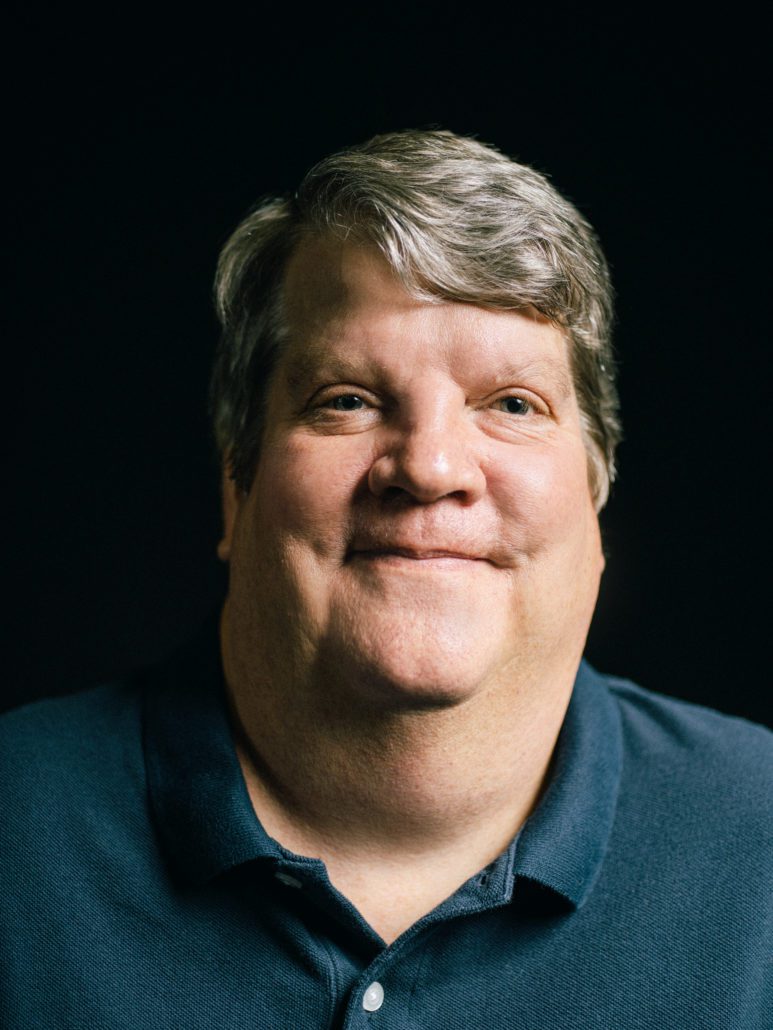
Tom Wilson, VP of Event Production, Elite Multimedia
Tom Wilson is the Vice President of Event Production at Elite Multimedia and a day one employee of the company. He has spent more than 35 years in live music, primarily as an audio engineer and as a production and road manager, with extensive country work that includes Luke Bryan and Gary Allan.
Elite Multimedia is a Nashville-based event production company with experience in corporate and nonprofit gala production, drawing on touring production discipline from work with artists including Alan Jackson and broadcast work for clients including IMPACT Wrestling.